Loading
Trezor.io/Start® | Official Setup Page | Trezor®

Setting up your Trezor® hardware wallet through Trezor.io/Start® ensures you initialize your device securely using official tools and verified software. Whether you’re new to crypto or transitioning to self-custody, following the official setup process is critical for protecting your digital assets from phishing attacks, counterfeit devices, and malware.
This comprehensive guide walks you through the official setup process, explains key security principles, and outlines best practices to keep your crypto safe from day one.
What Is Trezor®?
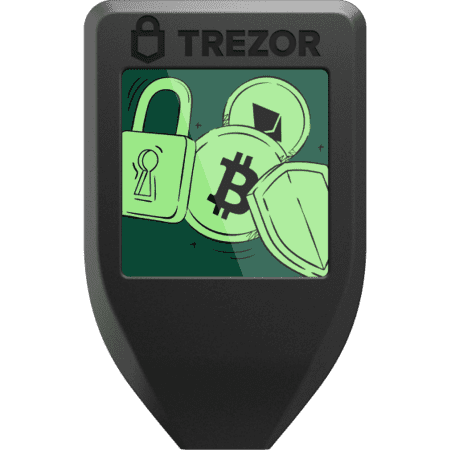
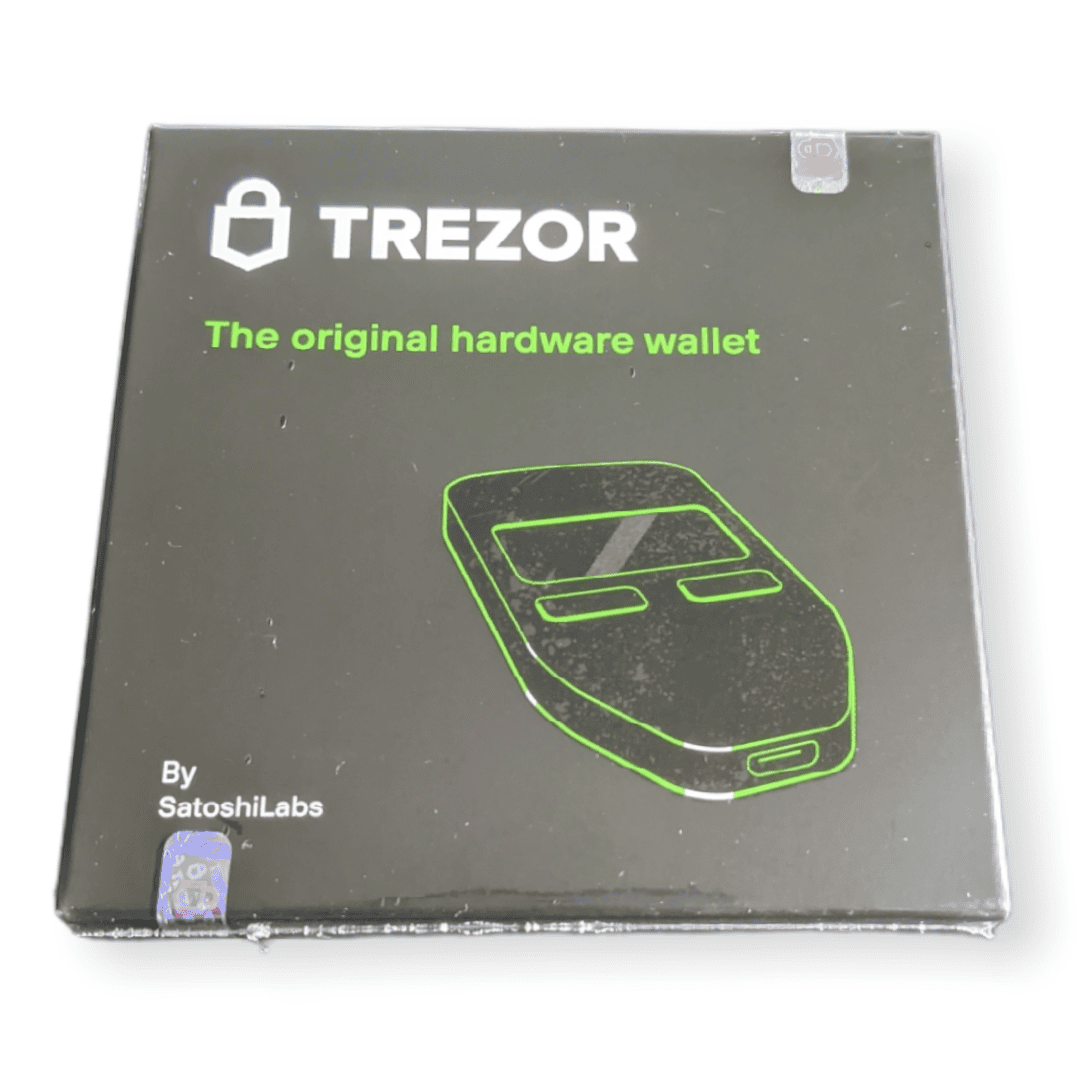
Trezor is a hardware wallet brand developed by SatoshiLabs. It allows users to store private keys offline, protecting cryptocurrencies from online threats such as hacking, phishing, and malware.
Popular models include:
- Trezor Model One
- Trezor Model T
Both devices are designed to keep your private keys isolated from internet-connected environments, ensuring that transactions must be physically confirmed on the device itself.
Why Use Trezor.io/Start®?
Trezor.io/Start® is the official onboarding page that:
- Verifies your device authenticity
- Guides you through firmware installation
- Helps you create a secure wallet
- Provides access to official wallet software
- Reduces the risk of phishing downloads
Using unofficial setup links can expose you to malicious software designed to steal recovery phrases.
Step-by-Step: Official Trezor® Setup
1. Unbox and Inspect Your Device
Before connecting your device:
- Check the holographic security seal
- Ensure packaging is intact
- Confirm no pre-written recovery seed is included
Trezor devices never ship with a pre-generated recovery phrase. If you find one in the box, do not use the device.
2. Visit the Official Setup Page
Open your browser and manually type the official setup URL. Avoid:
- Clicking links in emails
- Using search engine ads
- Following links from social media
Phishing sites often imitate official wallet pages.
3. Install Trezor Suite
Trezor Suite is the official desktop and web application used to manage your device.
You can install it on:
- Windows
- macOS
- Linux
Trezor Suite allows you to:
- Manage multiple crypto accounts
- Send and receive assets
- Track portfolio value
- Update firmware securely
4. Install Firmware
If your device is new, it may not have firmware installed.
During setup:
- Trezor Suite will prompt firmware installation
- Confirm installation on the device
- Wait for completion
Firmware ensures the device runs secure, verified software.
5. Create a New Wallet
Select “Create New Wallet.”
You will then:
- Generate a recovery seed
- Choose standard or advanced backup
- Confirm the seed words
The device generates the recovery seed offline.
6. Write Down Your Recovery Seed
This is the most critical step.
Trezor will generate either:
- 12-word seed (standard)
- 24-word seed (advanced)
Important Rules:
- Write the words down in order
- Use the provided recovery card
- Never take a photo
- Never store digitally
- Never share with anyone
Your recovery seed is the master key to your funds.
If someone obtains it, they can access your crypto without your device.
7. Confirm Your Backup
The device will ask you to verify specific words from your seed.
Take your time. Accuracy is essential.
8. Set a PIN
Create a secure PIN directly on your Trezor device.
Tips for PIN security:
- Avoid simple patterns
- Don’t reuse ATM or phone PINs
- Keep it private
If entered incorrectly multiple times, the device wipes itself for protection.
Sending and Receiving Cryptocurrency
Receiving Crypto
- Open Trezor Suite
- Select your account
- Click Receive
- Verify the address on your device screen
- Share the confirmed address
Always confirm addresses on the physical device screen — not just your computer.
Sending Crypto
- Select Send
- Enter recipient address
- Review network fees
- Confirm details
- Approve on your device
Transactions cannot be reversed once confirmed on the blockchain.
Advanced Security Features
Passphrase Protection
Trezor allows adding a passphrase (sometimes called the 25th word).
This feature:
- Creates hidden wallets
- Adds an extra layer of security
- Protects against physical theft
However, losing your passphrase means losing access permanently.
Shamir Backup (Model T)
Shamir Backup allows you to split your recovery seed into multiple shares.
For example:
- Create 5 shares
- Require any 3 to recover
This protects against:
- Single-point failure
- Physical damage
- Theft
Available on Trezor Model T.
Why Hardware Wallets Matter
Unlike software wallets:
- Private keys stay offline
- Malware cannot extract keys
- Transactions require physical confirmation
- You maintain full custody
Self-custody reduces reliance on centralized exchanges.
Security Best Practices
1. Never Share Your Recovery Seed
Trezor support will never ask for it.
If someone requests your seed phrase:
It is a scam.
2. Beware of Fake Support
Common scam tactics include:
- Impersonating Trezor staff
- Fake Twitter/X accounts
- Telegram support groups
- Email phishing
Only use official support channels.
3. Keep Firmware Updated
Firmware updates:
- Improve security
- Patch vulnerabilities
- Add asset support
Always update via Trezor Suite.
4. Store Backup Securely
Consider:
- Fireproof safes
- Metal backup plates
- Multiple secure locations
Never store your recovery seed in cloud storage.
Troubleshooting
Device Not Recognized
- Try a different USB cable
- Restart Trezor Suite
- Update browser (if using web version)
Forgotten PIN
If you forget your PIN:
- Reset the device
- Restore using your recovery seed
Without the seed, funds cannot be recovered.
Understanding Responsibility
With self-custody:
- There is no password reset
- There is no bank protection
- There is no transaction reversal
- There is no customer support override
You control your crypto — completely.
Final Thoughts
Using Trezor.io/Start® ensures your hardware wallet is initialized safely and correctly. By carefully following official instructions and applying strong security practices, you dramatically reduce the risk of theft or accidental loss.
Hardware wallets like Trezor are powerful tools for long-term crypto storage, offering a balance of usability and robust security. Take your time during setup, verify each step, and store your recovery seed properly.
Security is not optional in crypto — it’s essential.
Disclaimer
This content is provided for informational purposes only and is not affiliated with, endorsed by, or sponsored by Trezor or SatoshiLabs. “Trezor,” “Trezor Model One,” “Trezor Model T,” and related marks are trademarks of their respective owners.
Cryptocurrency involves significant risk, including price volatility, loss of private keys, hardware failure, phishing attacks, and total loss of funds. Users are solely responsible for safeguarding their recovery seeds, PINs, passphrases, and hardware devices.